Cacao, the magical bean that gives us chocolate, has a rich history and fascinating journey from tree to treat. We love indulging in chocolate, but many don’t know about its origins in the cacao plant. Cacao beans come from the fruit of Theobroma cacao trees, which are native to the Amazon rainforest.
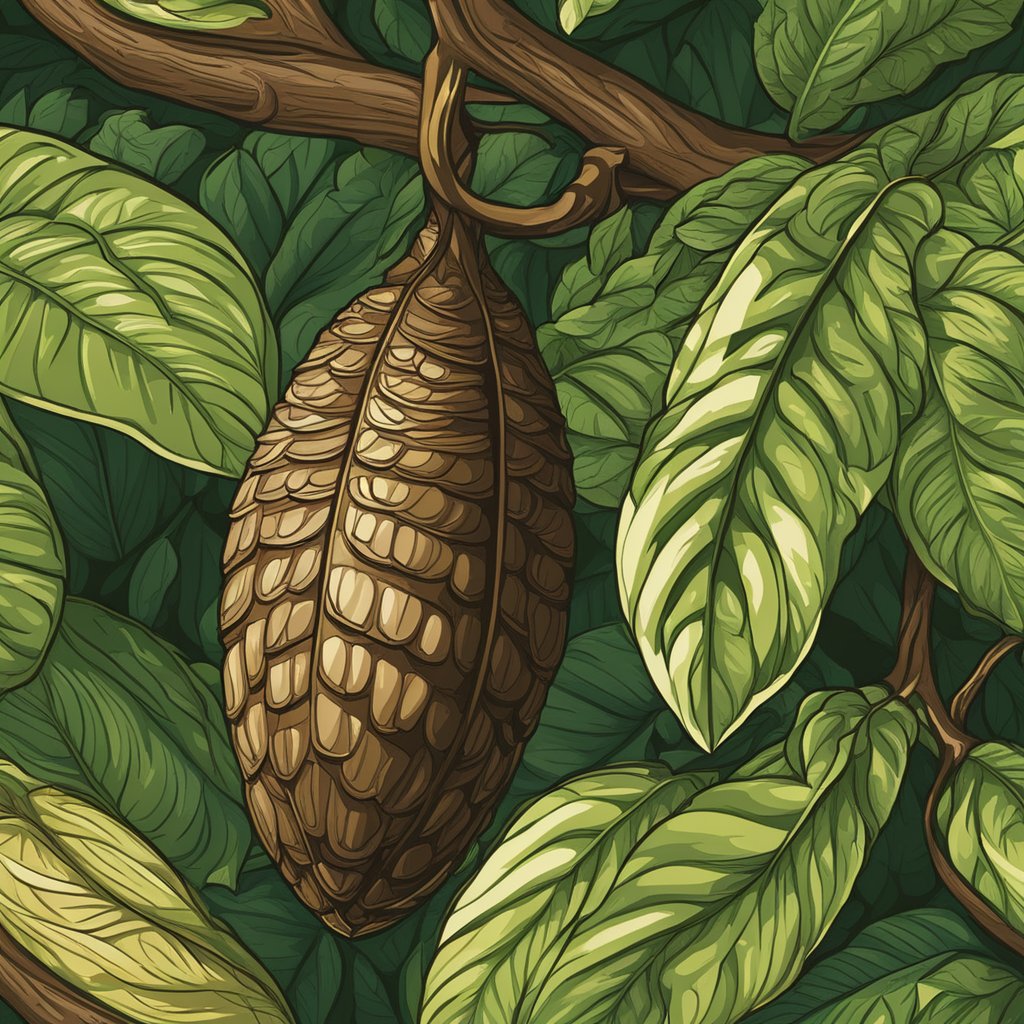
The cacao fruit contains seeds that undergo a complex process to become the cocoa we know and love. This transformation involves fermenting, drying, roasting, and grinding the beans. The result is a versatile ingredient used in various forms, from raw cacao powder to sweet milk chocolate bars.
Cacao isn’t just delicious – it’s also good for us. It’s packed with antioxidants, minerals, and other beneficial compounds. These nutrients may help lower blood pressure, reduce diabetes risk, and even boost our mood and brain function. With so many potential benefits, it’s no wonder cacao has been cherished for thousands of years.
Key Takeaways
- Cacao beans are the source of all chocolate products and come from tropical tree fruits
- Processing cacao involves several steps including fermentation, drying, and roasting
- Cacao contains nutrients that may offer health benefits like improved heart and brain function
Cacao Plant Profile
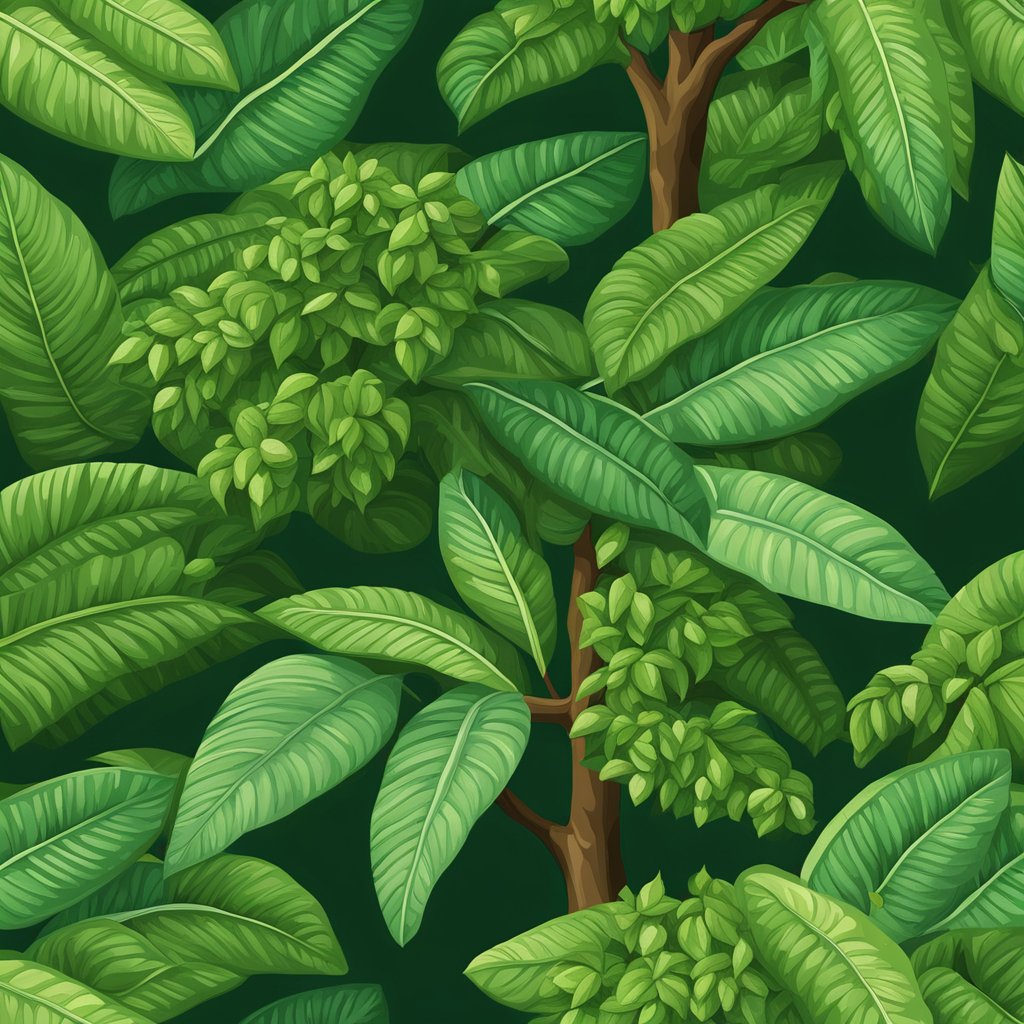
Cacao trees are the source of cocoa beans used to make chocolate. These tropical plants have specific growing needs and come in different varieties.
Species and Varieties
The cacao tree (Theobroma cacao) is the main species used for chocolate production. There are three main types of cacao:
-
Forastero: This is the most common variety, making up about 80-90% of world production. It’s hardy and high-yielding.
-
Criollo: Known for its fine flavor, this variety is rarer and more difficult to grow.
-
Trinitario: A hybrid of Forastero and Criollo, combining good flavor with better disease resistance.
Each type has unique flavor profiles and growing characteristics. Forastero is often used in everyday chocolate products, while Criollo is prized for specialty chocolates.
Cultivation and Harvesting
Cacao trees need specific conditions to thrive. They grow best in:
- Temperatures between 21-32°C (70-90°F)
- High humidity
- Protection from direct sunlight and strong winds
- Well-draining, loamy soil
These trees take 3-5 years to produce their first fruit. Harvesting happens year-round in most areas, with peak seasons twice a year.
We carefully cut ripe pods from the tree using sharp tools. Each pod contains 20-50 beans surrounded by a sweet pulp. After harvesting, the beans undergo fermentation and drying processes.
Geographical Origins
Cacao is native to the Amazon and Orinoco river basins in South America. Today, we cultivate it in many tropical regions around the world.
Top producing areas include:
- West Africa (Côte d’Ivoire, Ghana)
- Central and South America (Brazil, Ecuador)
- Southeast Asia (Indonesia, Malaysia)
The largest producer of cocoa beans in 2018 was Côte d’Ivoire. Different regions often specialize in particular varieties, influencing the flavors of chocolate from those areas.
Climate change poses challenges to traditional growing regions. We’re exploring new areas for cacao cultivation to ensure future supply.
Cacao to Cocoa: Processing Steps
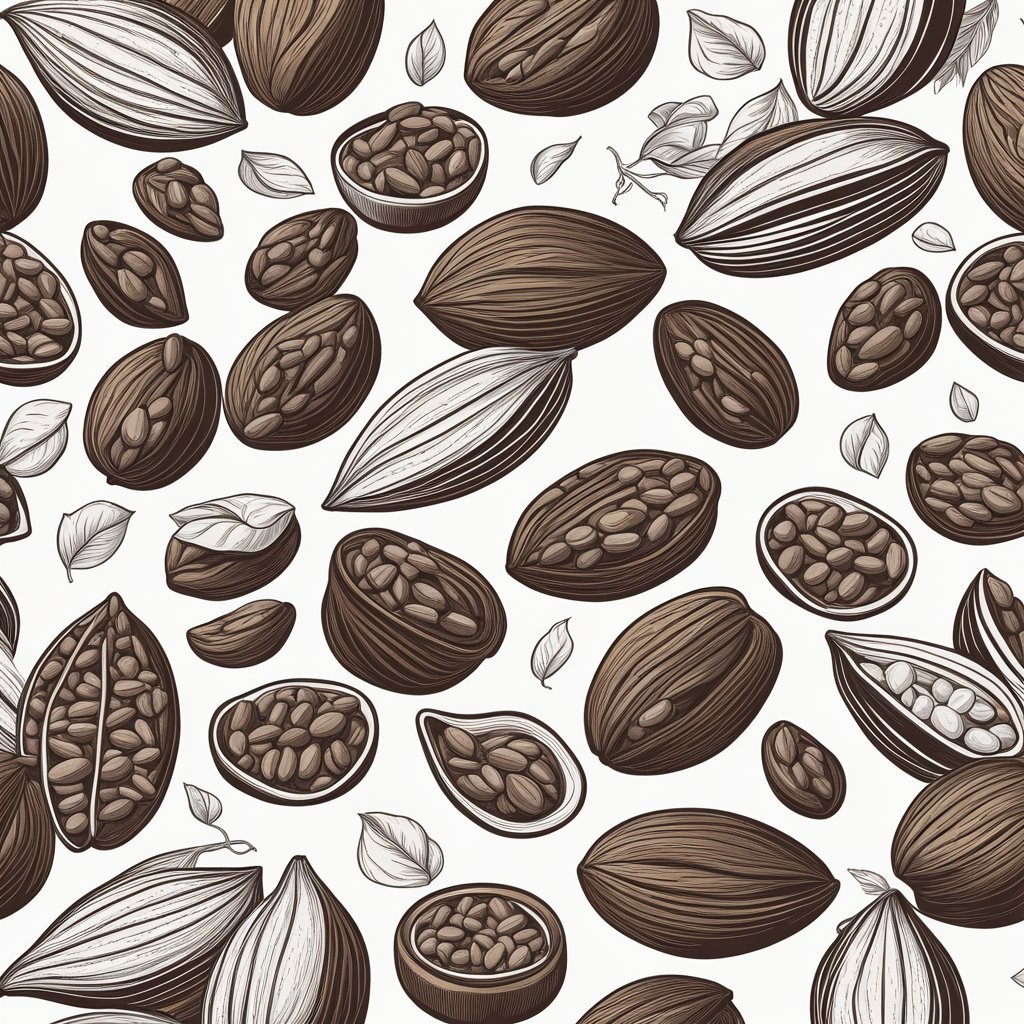
Turning cacao into cocoa involves several key steps. We’ll explore the journey from harvesting to creating the cocoa powder we know and love.
Harvesting and Fermentation
The process starts with picking ripe cacao pods from trees. We carefully cut open the pods to remove the beans and pulp inside. Each pod contains about 20-40 beans.
Next comes fermentation. We place the beans and pulp in containers for 5-7 days. This crucial step develops flavor and reduces bitterness.
During fermentation, the pulp breaks down. This lets air reach the beans. The beans’ color changes from purple to brown.
Drying and Roasting
After fermentation, we wash and dry the beans. Drying takes several days in the sun. This step lowers moisture and prevents mold growth.
Once dry, it’s time for roasting. We heat the beans to bring out more flavor. Roasting also makes the shells easier to remove.
The temperature and time vary based on the desired taste. Lower temperatures keep more of the beans’ natural flavors.
Grinding and Conching
We crack the roasted beans to remove the shells. This leaves us with cacao nibs – pure bits of the bean inside.
Next, we grind the nibs into a paste called cocoa liquor. This contains both cocoa solids and cocoa butter.
For cocoa powder, we press out most of the cocoa butter. The remaining solids are ground into a fine powder.
Some cocoa goes through conching. This process heats and stirs the cocoa for hours or days. It smooths out the texture and enhances flavor.
Cacao’s Chemical and Nutritional Profile
Cacao is packed with beneficial compounds and essential nutrients. It contains antioxidants, minerals, and other substances that may support health in various ways.
Beneficial Compounds
Cacao is rich in polyphenols, especially flavanols. These act as antioxidants in the body. Flavanols may help lower blood pressure and improve blood flow.
Cacao also contains theobromine and caffeine. These stimulants can boost brain function and energy levels.
Other key compounds in cacao include:
- Magnesium
- Iron
- Zinc
- Copper
These minerals play important roles in many bodily functions. For example, magnesium supports muscle and nerve function.
Nutritional Value
Cacao is nutrient-dense but relatively low in calories. A 100g serving of raw cacao powder contains:
- Calories: 228
- Protein: 19.6g
- Fat: 13.7g
- Carbohydrates: 57.9g
- Fiber: 37g
It’s an excellent source of fiber, which aids digestion. Cacao also provides vitamins, including vitamin E and B vitamins.
Studies suggest cacao may benefit heart health, brain function, and skin health. The high antioxidant content may help protect cells from damage.
We should note that processing can reduce cacao’s nutrient content. Raw or minimally processed cacao offers the most benefits.
Chocolate Creation
Chocolate comes from cacao beans through a fascinating process. Different types of chocolate have unique ingredients and flavors.
From Cacao to Chocolate
We start with cacao beans. These beans are fermented, dried, and roasted. Next, we crack and remove the shells. The inside bits, called nibs, are ground into a paste. This paste is cocoa liquor.
We press cocoa liquor to separate cocoa butter and cocoa solids. Cocoa butter is the fat. Cocoa solids give chocolate its flavor and color.
To make chocolate, we mix cocoa liquor, cocoa butter, sugar, and milk (for milk chocolate). We grind this mix until it’s smooth. Then we “conche” it – stirring and heating for hours or days. This improves the taste and texture.
Types of Chocolate
Dark chocolate has cocoa liquor, cocoa butter, and sugar. It has no milk. The cocoa content can range from 50% to 100%.
Milk chocolate includes milk powder or condensed milk. It’s sweeter and creamier than dark chocolate.
White chocolate contains cocoa butter, milk, and sugar. It has no cocoa solids, so it’s not “true” chocolate.
Ruby chocolate is a newer type. It’s made from special ruby cocoa beans. It has a pink color and fruity taste.
Baking chocolate is unsweetened. It’s pure cocoa liquor, used in cooking and baking.
Health and Safety Considerations
When consuming cacao, we need to be aware of both its potential benefits and risks. Raw cacao is known for its antioxidant properties, which may help protect against certain diseases.
However, there are some safety concerns to keep in mind. Cacao can contain trace amounts of heavy metals like cadmium and lead. These metals occur naturally in the soil where the Theobroma cacao tree grows.
It’s important to note that processing methods can affect cacao’s properties. Alkalized or “Dutch-processed” cocoa undergoes treatment with alkaline solutions, which can reduce its antioxidant content.
We recommend choosing high-quality cacao products from reputable sources. Look for brands that conduct regular testing for heavy metals and other contaminants.
Moderation is key when consuming cacao. While it offers potential health benefits, excessive intake may lead to unwanted side effects like caffeine jitters or digestive issues.
For those with specific health concerns, it’s always best to consult a healthcare professional before adding cacao to your diet. They can provide personalized advice based on your individual health needs.
Frequently Asked Questions
Cacao offers many health benefits and unique uses. People often have questions about its taste, pronunciation, and cultural significance. We’ll explore these topics and more.
What are the health benefits of consuming cacao?
Cacao contains antioxidants and minerals that support heart health. It may help lower blood pressure and improve mood.
Cacao also has iron, magnesium, and fiber. These nutrients aid in digestion and energy production.
How is cacao powder different from cocoa powder in recipes?
Cacao powder is raw and less processed than cocoa powder. It has a stronger, more bitter taste.
Cocoa powder is roasted and often has added sugar. It’s milder and sweeter, making it more common in baking.
How do you properly pronounce ‘cacao’?
The correct pronunciation of cacao is “kuh-KOW” or “kuh-KAY-oh”. The first syllable is unstressed, and the second is stressed.
Some people say “kuh-KAH-oh”, which is also acceptable. The key is to stress the middle syllable.
What is the process of making chocolate from the cocoa bean?
Cocoa beans are harvested, fermented, and dried. They’re then roasted and ground into a paste.
This paste is pressed to remove cocoa butter. The remaining solids are ground into cocoa powder. To make chocolate, cocoa butter is added back in with sugar and milk.
What cultural significance does a cacao ceremony have?
Cacao ceremonies have roots in Central and South American cultures. They’re used for spiritual and healing purposes.
In these ceremonies, people drink pure cacao as a way to open their hearts and connect with others. It’s seen as a sacred plant with transformative powers.
Can you describe the flavor profile of cacao compared to traditional chocolate?
Pure cacao has a rich, intense taste. It’s bitter and earthy, with hints of fruit and nuts.
Traditional chocolate is sweeter and smoother. It has added sugar and milk, which mellow out cacao’s strong flavors.